
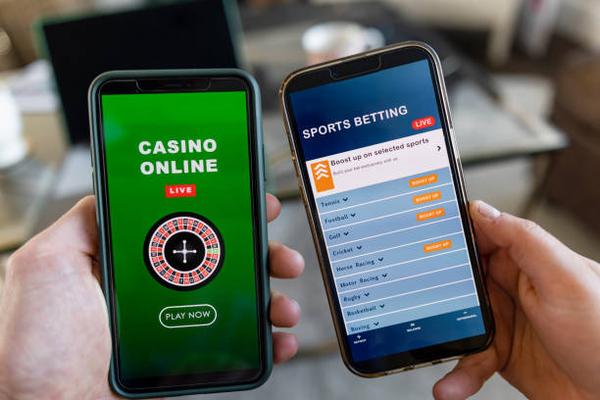
The rapid expansion of mobile technology has transformed the way people engage with online entertainment, and the gambling industry is no exception. In recent years, Arabic casinos have witnessed a significant shift towards mobile compatibility, enabling players to access their favorite games conveniently through smartphones and tablets. This evolution not only enhances user experience but also broadens the reach of these platforms across diverse demographics in Arabic-speaking regions.
Mobile compatibility in Arabic casinos involves optimizing websites and applications to function seamlessly on various devices with different screen sizes, operating systems, and internet speeds. Given the widespread use of smartphones in countries such as Saudi Arabia, Egypt, United Arab Emirates, and Morocco, ensuring that casino platforms are fully operational on mobile devices is crucial for attracting and retaining users. Developers focus on responsive design techniques that automatically adjust layouts to fit smaller screens without compromising functionality or visual appeal.
One significant advantage of mobile-compatible Arabic casinos is accessibility. Players no longer need to be tethered to desktop computers; instead, they can enjoy gaming sessions anytime and anywhere-whether during commutes, breaks at work, or relaxing at home. This convenience aligns well with modern lifestyles where mobility plays an essential role in daily activities. Furthermore, many operators offer dedicated mobile apps tailored specifically for iOS and Android devices which often provide smoother navigation compared to browser-based versions.
Language support remains a pivotal factor when exploring mobile compatibility within Arabic casinos. Since Arabic script reads right-to-left (RTL), developers must ensure proper text alignment alongside culturally relevant design elements arabic casinos such as color schemes and iconography familiar to local audiences. Mobile interfaces designed with these considerations help create immersive experiences that resonate deeply with regional players while maintaining ease of use.
Security measures also play an instrumental role in fostering trust among users accessing casino services via mobile devices. Robust encryption protocols protect sensitive information like payment details during transactions conducted over cellular networks or Wi-Fi connections commonly used by players on-the-go. Additionally, implementing two-factor authentication (2FA) adds an extra layer of security against unauthorized access.
Payment options integrated into mobile platforms reflect preferences prevalent within the Arab world-such as support for local e-wallets or bank transfer methods-to facilitate smooth deposits and withdrawals directly from handheld gadgets without hassle.
However, challenges persist regarding regulatory frameworks governing online gambling across many Arabic countries where laws may restrict or prohibit certain forms of betting activities altogether. Operators striving for compliance must navigate complex legal landscapes while delivering optimized mobile experiences that adhere strictly to jurisdictional requirements.
In conclusion, exploring mobile compatibility across Arabic casinos reveals a dynamic intersection between technological innovation and cultural adaptation aimed at enhancing player engagement throughout the region. By prioritizing responsive design principles alongside localized content presentation and secure transaction processes tailored for smartphone usage patterns common among Arab users today’s digital gambling environment continues evolving rapidly toward greater inclusivity and convenience on-the-move platforms.













Leave a Reply